
6 Tips to Help Your Struggling AC in Extreme Heat
Extreme heat can push your air conditioner to its physical limits.
Even the most reliable and well-maintained air conditioners can struggle to keep up in unrelenting three-digit temperatures.
If your AC falters during a prolonged heatwave and your Tacoma, WA, home feels warmer than it should, you need a cooling strategy that goes beyond thermostat settings.
At Resicon, we’ve spent years helping homeowners across Washington stay cool when outdoor temperatures peak. The solution is a combination of do-it-yourself and professional steps that can support your AC when it is struggling.
Understanding why your AC system struggles in extreme heat is the first step in your strategy to stay cool and comfortable this summer.
Why Is My AC Failing in Extreme Heat?
Your air conditioner’s indoor unit extracts heat from your Tacoma, WA, home and sends it to the outdoor unit via refrigerant, where it is expelled into the surrounding air.
Extreme heat can bog down the process. Here’s how:
The 20-Degree Rule
Most standard residential cooling systems can achieve a temperature that is approximately 20 degrees cooler than the outdoor air. If it is 100°F outside, your AC is designed to keep your indoor temperature around 80°F. If you set your thermostat to 75°F, hoping your AC system will swiftly cool your home to 75°F, prepare to be disappointed.
The unit will run continuously, trying to bridge the 25-degree gap between the desired indoor temperature and the outdoor heat.
Thermodynamics
Heat naturally moves toward cooler areas. When it is blazing hot outside, the outdoor condenser coil has to be even hotter to push the heat into the air. The energy required to do that can strain the compressor and other components. The hotter the outdoor air, the harder it is for your system to expel heat from your home.
Components Run Hot
As the compressor works overtime to transfer heat, other internal components also work harder and run hotter, reducing efficiency.
Restricted Airflow
Dirty air filters or grass clippings, dirt, and other debris on your condenser unit restrict airflow to your system, hampering its ability to exchange heat properly.
How Extreme Heat Affects Your AC
How do you know if your air conditioner is struggling?
If your AC runs continuously for hours, it is trying to reach your thermostat setting but failing. As it struggles, it drives up your utility bills by consuming massive amounts of electricity.
Another clue is uneven cooling throughout your home in Tacoma, WA. The second floor or rooms with south-facing windows may feel warm, while other areas may feel cool.
Your system is losing cooling capacity if the air blowing out of your vents is lukewarm or weak.
How Can I Help My AC in Extreme Heat?
When your AC is losing the battle against brutal heat, you can take several steps to help relieve the strain. In fact, you can implement these six tips any time in hot weather:
1. Thermostat: Increasing the thermostat setting a few degrees will give your AC a break by allowing it to cycle off. If you typically keep it at 72°F, set it a few degrees higher, from 76° to 78°F.
ENERGY STAR® recommends setting the thermostat seven degrees higher when you are away from home and four degrees higher when you are asleep.
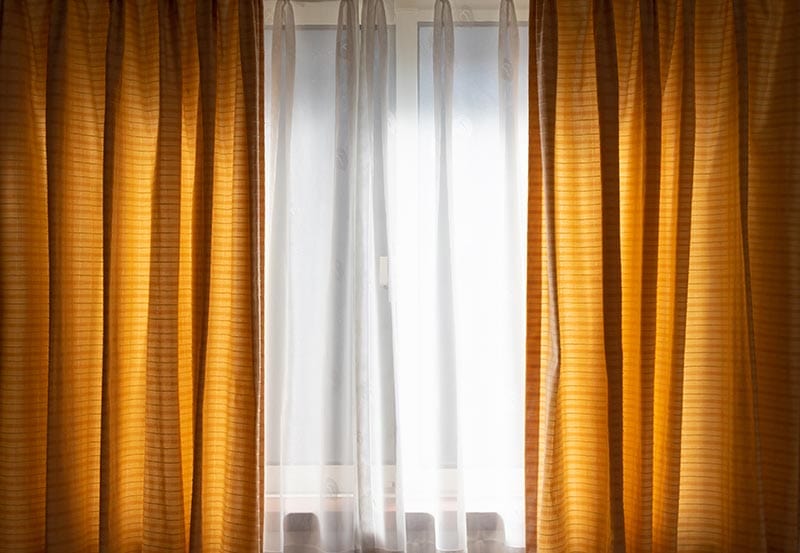
2. Drapes: Close blinds, curtains, and drapes on south-facing windows during peak hours of sunshine to reduce solar heat gain in your home and keep it cooler.
3. Air Filter: Replace your HVAC air filter if it is dirty. Dirt and clogs restrict airflow, which strains your cooling system.
4. Outdoor Unit: Turn off your system at the thermostat and rinse away grass clippings and other debris from your outdoor AC unit. Use a garden hose set to a gentle spray. Pull weeds, cut grass, and prune shrubs near the unit to create two feet of clearance on all sides for good airflow.
5. Ceiling Fan: If you have one, run it counterclockwise. If you don’t, consider installing one. Ceiling fans create a wind-chill effect that makes you feel a few degrees cooler than the indoor temperature. You can set the thermostat a few degrees higher and still feel comfortable when near a ceiling fan. Remember to turn off your ceiling fan when you leave the room. Ceiling fans cool people, not rooms.
6. Insulation: Upgrade inadequate insulation in your home to reduce the workload on your HVAC system. Insulation keeps cool air inside your home and the hot air out.
Can a Smart Thermostat Help Cool Your Home?
At Resicon, we are true believers in smart thermostats. They save money on utility bills, are incredibly convenient, and optimize cooling by automatically adjusting temperatures.
You’ll never cool your unoccupied home unnecessarily with a smart thermostat. It will give your AC a break by raising the thermostat setting when you are away from home.
Let our team swap out your outdated manual thermostat for a smart thermostat you can control from anywhere with a smartphone app. It will make a huge difference in your utility bills and comfort.
Prevent AC Struggles in Extreme Heat
Our team at Resicon can help your AC handle the prolonged triple-digit temperatures in Tacoma, WA. A tune-up or quick repair may be all your cooling system needs to keep your home comfortable all summer. Schedule AC service today by calling us at 253-242-5306 or request service online.
Need HVAC Service?
Remember Comfort. Remember Resicon.