
No Hot Water? 3 Signs Your Water Heater Is About to Fail
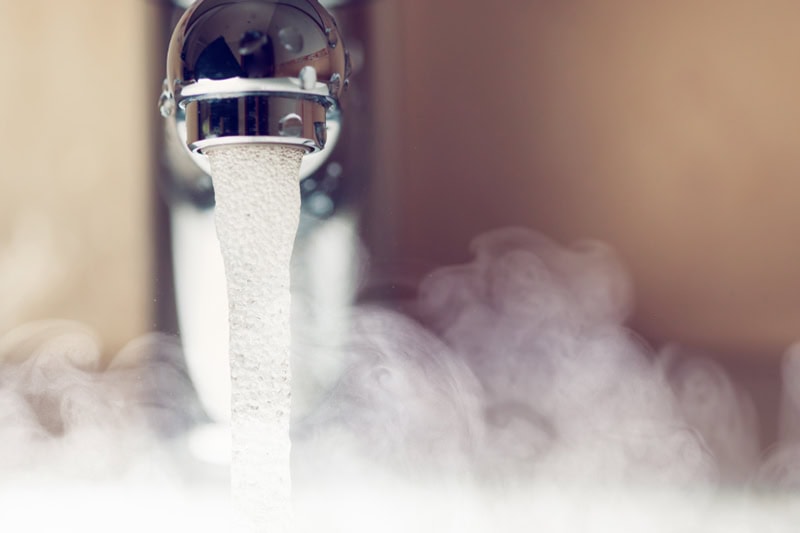
There is nothing better than a hot shower on a cold Washington morning, and nothing worse than turning the faucet handle and feeling icy water.
If your hot water tap isn’t delivering as usual, you may worry about the catastrophic consequences of a water heater breakdown—and rightly so.
Water heaters corrode, leak, overheat, and in extreme cases, fail completely. At Resicon, we’ve served the plumbing, HVAC, and electrical needs in Puget Sound for years. Whether you need emergency plumbing service in Puyallup, urgent water heater repair in Tacoma, or are contemplating traditional vs tankless water heaters in Fircrest, we’ve got your back.
We know that a water heater rarely stops working without a warning. Usually, it tries to tell you it’s struggling long before it breaks down in your Tacoma, WA, home. Our recommendation for better water heater health is to keep up with annual maintenance and to call the professionals at Resicon before a minor annoyance becomes a major disaster.
If you are worried about your water heater’s performance, here are three warning signs that indicate the unit is likely to fail without professional intervention.
1. Your Water Heater Is Leaking
Don’t ignore water pooling around your water heater. Although a loose connection or faulty T&P valve can cause leaks, water flowing from the heater’s tank is a serious issue. Cracks and holes in the tank are not repairable.
Most standard tank-style water heaters are made of steel and lined with glass. Over time, the constant heating and cooling cause the metal to expand and contract, leading to microscopic cracks in the glass lining. If the steel tank is constantly wet, it begins to rust, and a catastrophic burst is only a matter of time. If you see active dripping or standing water, act quickly to prevent water damage to your home.
Turn the power off at the breaker to prevent flooding or electrical hazards, and call Resicon for an assessment and solutions.
2. Your Water Heater Emits Odd Sounds
Popping, banging, and rumbling mean sediment is building up in the tank. Dissolved minerals harden and accumulate at the bottom of the tank, creating a layer between the burner or heating element and the water it needs to heat. This causes the water trapped under the sediment to boil and bubble, creating distinct sounds.
The noises are the least of your water heater’s problems. It must work much harder to heat water through a hardened crust of sediment. If you ignore the issue, the tank will eventually fail.
However, you can prevent extreme sediment buildup with an annual water heater flush. Our Resicon technicians can flush the tank during a maintenance visit. We also check the T&P valve and anode rod to ensure your water heater performs efficiently and safely.
3. Your Heater Delivers Rusty or Warm Water
If your hot water has a metallic smell or a reddish tint, your tank is likely rusting from the inside out. Every tank has an anode rod designed to attract corrosive elements, preventing rust. Once the rod rusts away, the tank is next.
Also, if your shower delivers water that starts hot but turns lukewarm within minutes, your heating elements are likely failing, or your internal dip tube is broken, allowing cold water to mix with the hot water at the top of the tank.
Why Do Water Heaters Fail?
Corrosion, sediment, and high pressure are the three main culprits that cause failure.
- Corrosion can eat away at the heater’s tank, leading to catastrophic leaks.
- Sediment hardens on the bottom of the tank, forcing your water heater to work harder.
- High water pressure constantly stresses the tank’s seams.
A Resicon technician can spot these issues early during a routine maintenance visit. By flushing the tank and checking the anode rod, we can often double the lifespan of your unit and prevent future emergency plumbing needs.
Repairing vs. Replacing Your Water Heater
When you’re facing a breakdown, how do you decide if the water heater replacement cost is worth it? Should you repair the unit instead? Here are a few tips:
Age: Most tank heaters last 10–12 years. If yours is over a decade old, replacement is usually the smarter long-term investment.
50 Percent Rule: If a repair costs more than half the price of a new unit, we recommend replacing it. If you fix it and your older tank needs another repair soon, you’ve wasted money that you could have applied to a new, more efficient water heater.
Safety: Repair is not an option if the tank leaks or shows signs of heavy corrosion. You must replace it to avoid a flood.
Should You Upgrade to a Tankless Water Heater?
If you are facing a replacement, you can install another tank-style water heater or opt for a tankless model.
A traditional tank is less expensive upfront, but a tankless model offers several advantages. It heats water on demand, so you don’t have to wait for a tank to refill and heat. It can significantly lower your utility bills because it doesn’t keep 50 gallons of water hot 24/7.
The Department of Energy (DOE) says tankless heaters can be 24-34 percent more efficient than tank heaters in households that use up to 41 gallons of hot water daily. In households using a lot of water—approximately 86 gallons daily—a tankless heater can be 8-14 percent more efficient.
Tankless units also save on space and last a long time. They’re approximately the size of a suitcase and mount on the wall, freeing up floor space. They can last up to 20 years, nearly twice as long as a tank heater.
Give Your Water Heater in Tacoma, WA, Some TLC
Let Resicon, give you peace of mind with a water heater flush, safety inspection, and anode rod check. Whether you need a quick repair, routine maintenance, or an honest consultation about water heater installation, we’re here to help. Call us at 253-242-5306 or request service online.
Need HVAC Service?
Remember Comfort. Remember Resicon.